
Movement can be anything from walking, yoga, pilates, plyometrics to developing and maintaining an exercise routine. Trying to do it all at once can be overwhelming, take things one swap at a time and set yourself up with SMART goals if you’re ready to drop to junk and empower yourself to build habits that are sustainable and last. Knowing your “why” in any endeavor helps you stick to your guns and make changes based on your own values creating a sustainable lifestyle tailored to mad muscles app you.
Consider rest and recovery as important as the rest of your training.
Sleep facilitates recovery, both physically and mentally and provides overall freshness that the body and mind require. Finally, athletes balance their intense training with well-earned downtime. Whether it’s a lazy Sunday, a Netflix binge, or a good book, don’t forget to rest and recharge. Maintaining a consistent sleep pattern is beneficial for everyone, particularly for athletes.
Focus on the Nutrients: Novak Djokovic, Serbia, Tennis
Even though your big goal may stay the same, it is the small changes that are going to pave the path to success. Small goals also make change seem easier and are also key to learning how to enjoy the process and will help you evaluate whether or not your choices are helping or hurting your progress. The unhealthy habits we create to survive or subconsciously create didn’t appear overnight so cut yourself some slack and remember this isn’t a race. We all have reasons we want to build better habits, from simple things like wanting to drink more water or stop snacking so late at night, to wanting to be more positive or work towards a healthier lifestyle. Top athletes don’t just magically wake up with chiseled abs and endless mental willpower; they wake up and choose to work hard, play hard, and get back up when they fail.
Expert Guide to Muscle and Joint Protection in High Intensity Training
Learn more about A.D.A.M.’s editorial policy, editorial process, and privacy policy. Amino acid supplements and eating a lot of protein are not recommended. Use this five step strategy to form any new habit you want and unlock the power habits can give you as an athlete. But on Saturday you hang out with your friends, you guys go out to eat, have a few drinks, then you go on a date at night and eat some ice cream afterwards. Let’s say you are working to develop the habit of sticking to a nutritional plan recommended by your coach.
Master Your Mental Game With One-On-One Coaching
Regularly meditating and prioritizing sleep are important ways for athletes to stay energized and focused. At two universities that employed sports RDs, 383 student athletes were surveyed about their sports nutrition knowledge and habits, as well as about their primary source of nutrition information. Male athletes, on the other hand, ate more fast food and restaurant meals, and had more frequent and higher weekly alcohol intake during their competitive seasons [1]. By following these healthy habits, athletes can improve their performance and reduce their risk of injury. However, it is important to remember that everyone is different, so athletes should consult with a healthcare professional or coach to develop a personalized plan that works for them. Whether you are a seasoned athlete or just starting out, incorporating these habits into your routine can help you achieve your goals and stay healthy.
Hours
- Or, try eating at least 30 different nature-based foods per day.
- But you don’t need to rigidly eat chicken breasts at every meal.
- Thinking nonstop about what all you need to do each day can be draining.
- This review highlights the factors that influence the eating behavior of athletes, the development of the market, providing services in this area, as well as the effectiveness of the recommendations developed.
- But the benefits don’t stop there, as optimizing your blood sugar can also help you sleep better, which in turn further helps increase recovery during hard bouts of training and competition.
- Independent contractors are established corporate entities that are responsible for their own work hours and treatment plans, and liabilities.
This is often not followed up to investigate if it translates to improved eating habits or performance outcomes. Cognitive or conscious dietary restriction to control body weight may be characteristic of athletes trying to change body weight to improve athletic performance [33], or gain athletic form [24,61]. Therefore, athletes are at an increased risk of eating disorders in sports where more attention is paid to body weight and shape (gymnastics, swimming) [25,62]. Consequently, athletes can restrict food intake to achieve the “ideal” weight for esthetic or performance reasons. Overall, weight problems can be a driving force in the dietary choices of many athletes, but more research is needed in this area. In addition, food intolerance is on the rise among athletes, but the use of unverified food intolerance tests calls into question an accurate assessment of the state of true intolerance in the population [12].
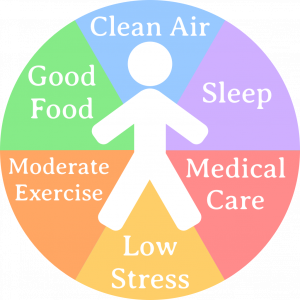
Prioritizing Rest
Do not keep your body weight too low, lose weight too quickly, or prevent weight gain in unhealthy ways. One of the most effective ways to improve yourself is by setting both long-term and short-term goals. Goals are the perfect way to set a clear path and give focus to all your actions. Achievable goals give direction in your life and also in your training, steering you away from both distraction and procrastination, and forcing you to hold yourself accountable.
They Commit to Consistent Training
It gives them better results and decreases the risk of their getting injured. Without any doubt, sportsperson benefit from the training they get from a supervisor or coach, they get better results when they know what areas to focus more on and work on it according to their will. Every sportsperson needs to prepare their mind more than their body to perform in a match. Dehydration occurs when the fluid and electrolyte losses are greater than the fluid and electrolyte gains. Losses occur from urination, bowel movements, sweat and breathing. Gains occur from consuming salt, liquids, and high-fluid foods (fruits and vegetables).

WAVE Sport Nutrition Curriculum
In that case, you might add an extra five pounds to your final set, or keep the weight the same but push out an extra rep. Below we look into the four core habits that fuel athletic excellence. You can do the same by keeping a journal of your fitness journey. Please note that this list isn’t and will never be a workout routine or, god forbid, a diet almanac.
week small group coaching program
There are goals for every occasion, and people rarely have the same one. You may have started out wanting to lose fat or build strength, but maybe now you just require regular workouts to feel good and reduce stress. The first and most effective step in becoming a better and more focused athlete is making sure you are getting the correct amount of sleep. Research proves that a good night’s sleep directly results in an improved performance in memory-requiring tasks.
